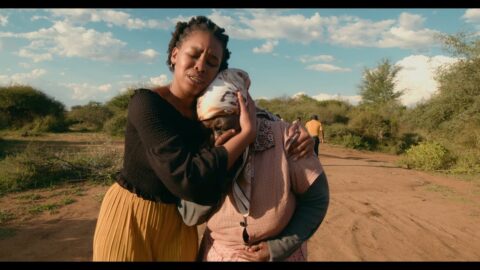
Penelope” is a 2025 South African drama centered on emotional conflict, tough choices, and the deep personal battles that come with life-changing decisions. The story follows a woman who finds herself at a crossroads, forced to choose between paths that each carry heavy consequences. The movie builds on this central dilemma to explore themes like sacrifice, loyalty, love, personal responsibility, and the emotional weight of doing what feels right versus what feels necessary.
From the moment the film begins, the tone is set with scenes that show Penelope’s life, her relationships, and the challenges she carries. The storytelling takes its time to establish her situation, allowing viewers to understand why her ultimate decision is so painful. The drama feels intimate, pulling the audience into her internal struggle without rushing or forcing the emotional moments. This slower pace makes the story more grounded and relatable, especially for viewers who have ever faced difficult choices of their own.
What stands out is how the movie presents Penelope as a layered character. She is not portrayed as perfect, nor is she shown as someone who simply falls into trouble. Instead, she is written as a real woman dealing with circumstances that push her beyond her comfort zone. The script highlights her strength, her fears, and her attempts to hold her life together even when everything around her feels uncertain. This makes her journey both emotional and inspiring.
Throughout the movie, key supporting characters help shape Penelope’s path. Some offer encouragement, others serve as obstacles, and a few represent the pressures that force her into making the final decision. Their interactions with her deepen the film’s emotional impact. Even without diving into overly specific assumptions, it’s clear the supporting cast plays an important role in reflecting different sides of Penelope’s life—family, relationships, expectations, and society’s influence.
The emotional scenes are the strongest parts of Penelope. The way the movie navigates tension and vulnerability makes each moment feel sincere. The atmosphere, the dialogue, and the expressions all contribute to a story that prioritizes heart over spectacle. Viewers get to see the mental and emotional toll of tough decisions, especially when those decisions affect people Penelope deeply cares about. The film also shows how choices made under pressure can shape one’s future, for better or worse.
Another highlight is the film’s exploration of consequences. The story doesn’t treat Penelope’s dilemma lightly. Instead, it shows how the ripple effects of a single decision can touch every part of one’s life. This is one reason the movie resonates—it reflects real-life situations where the “right” choice doesn’t always feel easy or pain-free. The film captures the weight of responsibility and the courage required to follow through with it.
The cinematography supports the emotional tone of the story without being distracting. The movie uses calm scenes, expressive close-ups, and steady pacing to maintain a thoughtful atmosphere. The visuals complement the storytelling, allowing the audience to focus on the characters and their emotions.
By the time the movie reaches its final act, Penelope’s journey has unfolded in a way that prepares viewers for her ultimate choice. Even without detailing specifics, it is clear that the conclusion brings a mixture of relief, sadness, growth, and reflection. It’s the kind of ending that encourages viewers to think about their own lives, their personal struggles, and how courage sometimes looks different for each person.
Overall, “Penelope” is a heartfelt drama about strength, vulnerability, and the bravery needed to make difficult personal decisions. It tells a quiet but powerful story, making it a meaningful watch for viewers who appreciate emotional, character-driven films.